


Capitalizing Software Costs
Capitalizing Software Costs: Internal-Use vs. External Use (ASC 350 & 985)Differentiating costs for SaaS development, app launches, and cloud integrations […]
Capitalizing Software Costs: Internal-Use vs. External Use (ASC 350 & 985)Differentiating costs for SaaS development, app launches, and cloud integrations […]

US GAAP and IFRS aim to present accurate financial information but differ fundamentally in philosophy; GAAP is rules-based while IFRS is principles-based. This divergence influences revenue recognition, inventory accounting, consolidation methods, and more, affecting earnings, tax strategy, and performance perception, especially for CFOs navigating cross-border operations.

FX Volatility Is Not a Surprise. It Is a Certainty In today’s globally integrated business environment, foreign exchange volatility is

The choice between currency translation and remeasurement under ASC 830 is crucial as it impacts financial reporting significantly. Translation applies when a subsidiary operates in a local currency, while remeasurement affects earnings when books are kept in a different currency. Understanding functional currency is essential for accurate reporting and maintaining credibility.

The article discusses the nuances of equity method accounting under ASC 323, highlighting the importance of recognizing significant influence over ownership in high-growth companies. It emphasizes proper valuation, documentation, and communication of equity stakes that fall between control and passive investment, enabling accurate financial reporting and strategic insights without overstating authority.

In multi-entity businesses, unaddressed intercompany transactions can distort financial statements, leading to misleading metrics like inflated gross margins and EBITDA. Proper intercompany eliminations are crucial for accurate financial reporting. Companies should automate their processes, document agreements, and regularly reconcile to prevent governance gaps and maintain investor trust.

Acquisitions involve complex processes beyond initial control, particularly regarding pushdown accounting. This optional accounting method allows the acquired entity to reflect fair value adjustments on its financial statements. Correct application is crucial as missteps can distort earnings and impair goodwill, impacting stakeholder perceptions and regulatory compliance significantly.
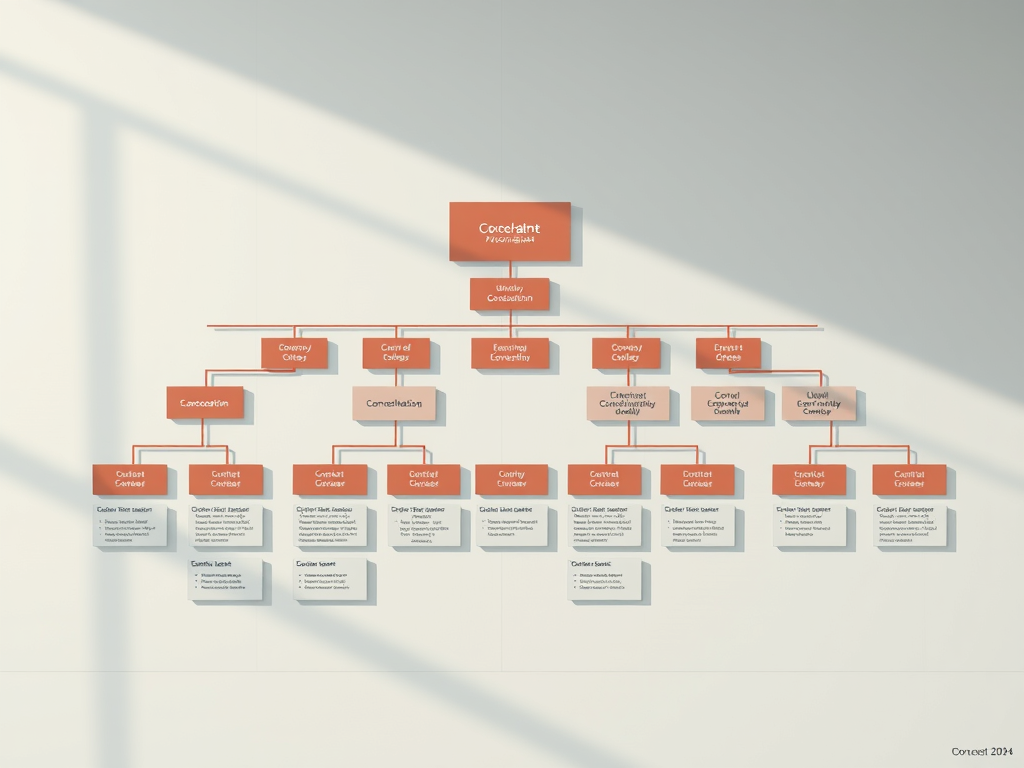
High-growth companies face complexities in financial reporting due to GAAP’s consolidation requirements, which focus on control rather than ownership. The Voting Interest and Variable Interest Entity models assess entity consolidation based on benefits and obligations. Understanding these frameworks is crucial for accurate balance sheets, profitability, and regulatory compliance as entities evolve globally.

Promises Made, Liabilities Incurred In the world of product and platform companies, a warranty is rarely just a marketing device.

The post discusses the evolution of revenue recognition under ASC 606 and the critical importance of accurately handling unbilled receivables and capitalized contract costs in financial statements. It highlights the risks of mismanagement, regulatory scrutiny, and the need for finance leaders to refine processes for clarity and accuracy in reporting economic performance.

The article emphasizes the importance of accurately accounting for landed costs, which include freight, customs, and warehousing, to reflect true gross margins in product firms. Misclassifications can distort financial reporting and mislead stakeholders. Proper integration of these costs into accounting systems is crucial for strategic pricing, vendor negotiations, and overall financial clarity.

The Invisible Levers Behind COGS and Cash Flow Inventory is not just an asset on the balance sheet. It is

The article emphasizes the significant impact of the accounting choice between capitalizing and expensing costs, particularly regarding gross margin reporting. It argues that aligning costs with revenues reflects long-term value, especially for SaaS companies. It advocates for transparency and cross-functional collaboration in financial decisions to prevent misrepresentation and maintain investor confidence.

ASC 606 reshapes revenue recognition standards by emphasizing understanding customer value over mere compliance. It requires companies to adapt practices across various sectors, ensuring accurate revenue mapping through a structured five-step model. Successful implementation hinges on finance leadership engaging deeply with the standard, fostering cross-functional collaboration and operational alignment for sustained credibility.

Part I: Understanding the Fundamentals and Strategic Implications Can a sudden discount on a deal shift your revenue by tens

The essay outlines the importance of distinguishing between software license types—right to use, right to access, and hybrid—under ASC 606, affecting revenue recognition and company valuation. It emphasizes proper contract classification, compliance, and its implications on financial reporting and investor relations. A clear strategy enhances operational integrity and audit readiness.

The article delves into defining performance obligations under ASC 606 for effective revenue recognition. It emphasizes the importance of correctly identifying these obligations to enhance operational efficiency, investor confidence, and compliance. Through practical examples, it illustrates the implications of misclassification and advocates for systematic analysis of contracts to ensure transparency and strategic alignment in financial reporting.

The content explores bundled revenue recognition under ASC 606, emphasizing its complexity for startups. It guides finance professionals in identifying performance obligations, determining standalone selling prices, and allocating transaction prices effectively. Through real-world case studies, it illustrates practical applications and strategic insights for CFOs and finance teams navigating bundled arrangements, ensuring compliance and operational transparency.

The Percentage of Completion (PoC) method under ASC 606 is crucial for professional services firms to accurately recognize revenue over time, aligning financial performance with project delivery. It enhances forecasting, investor confidence, and stakeholder transparency. Rigorous documentation, regular cost reviews, and cross-functional collaboration are essential for effective PoC application and risk management.

This content discusses the complexities of revenue recognition for startups, particularly under ASC 606. It emphasizes the significance of accurate contract modification assessments to avoid financial reporting liabilities. Key aspects include differentiating between contract types, impacts of pricing deviations, the role of automation, and the necessity for strong communication among finance, sales, and legal teams.

The essay discusses the importance of choosing the right revenue recognition pattern—time-based or output-based—under ASC 606. It emphasizes the alignment between revenue recognition and actual customer value delivery, with examples illustrating the operational implications and challenges of each method. Effective finance leadership is crucial in navigating hybrid models and ensuring clarity in financial reporting.

The post discusses revenue recognition methods, emphasizing time-based versus output-based approaches. Time-based methods suit uniform services, while output-based focuses on deliverables and customer progress. Choosing the right method requires careful analysis of contracts and performance criteria. Accurate revenue recognition reflects true business dynamics and builds credibility with stakeholders.

Startups must decide between recognizing gross or net revenue, a choice influencing financial perception and valuation. The distinction hinges on whether the startup acts as a principal or agent in transactions. This decision affects revenue growth, KPIs, and tax obligations, necessitating clarity and discipline under ASC 606 to match economic reality.

In early-stage companies, revenue forecasts often rely on optimistic scenarios, but customer behavior can introduce unpredictability. Under ASC 606, revenue must account for variable consideration, which affects valuation and audit outcomes. Accurate estimation, consistent methodologies, and robust internal controls are critical to maintain credibility and investor trust while navigating these complexities.

Revenue recognition under ASC 606 involves a rigorous five-step model focusing on enforceable contracts, performance obligations, transaction pricing, price allocation, and revenue recognition timing. For startups, understanding this model fosters operational alignment and enhances investor trust, turning it into a strategic advantage rather than merely a compliance necessity.
© 2026 Jed Expert™. All rights reserved.
© 2026 Jed Expert™. All rights reserved.