
Governance

Accounting, Corporate Financial Planning, Governance, Leadership & Culture, Performance Management

Building Cross-Functional Alignment Through Financial Dashboards

The article discusses the importance of effective financial dashboards as tools for cross-functional alignment within organizations. It emphasizes that well-designed dashboards should not only present data but also foster shared understanding among teams by clarifying metrics and definitions. Such alignment enhances communication, transparency, and collaboration, ultimately driving organizational success.

Corporate Financial Planning, Governance, Leadership & Culture, Performance Management

Leveraging Forecast Accuracy for Investor Confidence

The article emphasizes the critical role of forecast accuracy in building investor trust and ensuring organizational success. Accurate forecasting reflects managerial discipline and integrity, guiding strategic decisions and fostering accountability. It cultivates a culture of learning, improves communication, and ultimately leads to credibility, which is essential for navigating uncertainties in a competitive environment.

Corporate Financial Planning, GenAI & AgenticAI, Governance, Leadership & Culture

Reimagining Corporate Vision with Financial Automation

The presence of financial automation transforms corporate strategy by shifting the finance function from retrospective analysis to proactive architectural roles. This evolution allows companies to align their visions with real-time data, enhancing agility in decision-making. Automation not only streamlines operations but also fosters a culture of insight, empowering organizations to respond effectively to change.

Accounting, GenAI & AgenticAI, Governance, Leadership & Culture, Legal, Regulatory, Tax

Mastering the Future of Transfer Pricing Strategy

Transfer pricing is a complex framework dictating how goods, services, and intellectual property are valued across corporate entities in different jurisdictions. As global commerce evolves, particularly with AI, understanding true value creation becomes crucial. A well-aligned transfer pricing strategy can enhance corporate integrity, operational clarity, and mitigate regulatory risks.

Corporate Financial Planning, Governance, Leadership & Culture, Performance Management

Understanding KPIs: The Driving Force Behind Business Success

Key Performance Indicators (KPIs) serve as powerful tools for organizations, shaping strategy and alignment. They transform data into narratives, guiding decision-making and fostering accountability. However, misinterpretation or overemphasis can lead to goal distortion, hindering true purpose. Effective KPIs require careful selection, context, and a focus on values beyond mere numbers.

Accounting, GenAI & AgenticAI, Governance, Leadership & Culture, Performance Management

Transforming Financial Controls Through AI

The evolution of financial controls is being transformed by AI, shifting from static compliance-based systems to dynamic, anticipatory models. AI detects anomalies in real time and enhances decision-making, fostering a culture of intelligent trust. However, challenges such as opacity, accountability, bias, and the need for human governance remain critical considerations for CFOs.

Corporate Financial Planning, Governance, Leadership & Culture, Performance Management

Leveraging the Strategic Role of Market Expansion

The content emphasizes rethinking market expansion as a strategic approach rather than merely a growth tactic. It highlights the importance of understanding market complexities, leveraging capital efficiently, and fostering learning through experimentation. Key strategies include prioritizing markets based on potential value, utilizing phased entry models, and measuring success beyond immediate revenue, ensuring long-term resilience and strategic positioning.

Accounting, Corporate Financial Planning, Governance, Leadership & Culture, Performance Management

Elevating the Digital Evolution of Financial Controls

The content discusses the evolution of financial controls from traditional compliance functions to integrated digital systems that enhance organizational confidence and scalability. It emphasizes the need for CFOs to design adaptable controls that align with operational workflows and reflect a company’s risk profile, ultimately transforming controls into strategic assets rather than mere compliance hurdles.

Accounting, Governance, Legal, Tax

What Impact Does Valuation Change Have on Options?

Valuation is crucial in startups, impacting credibility, investor expectations, and operational decisions. It significantly influences employee stock options, affecting strike prices, potential gains, and retention strategies. Changes in valuation, whether rising or falling, create distinct challenges and opportunities, necessitating careful management and clear communication from CFOs to ensure alignment and morale.

Accounting, Governance, Legal, Tax

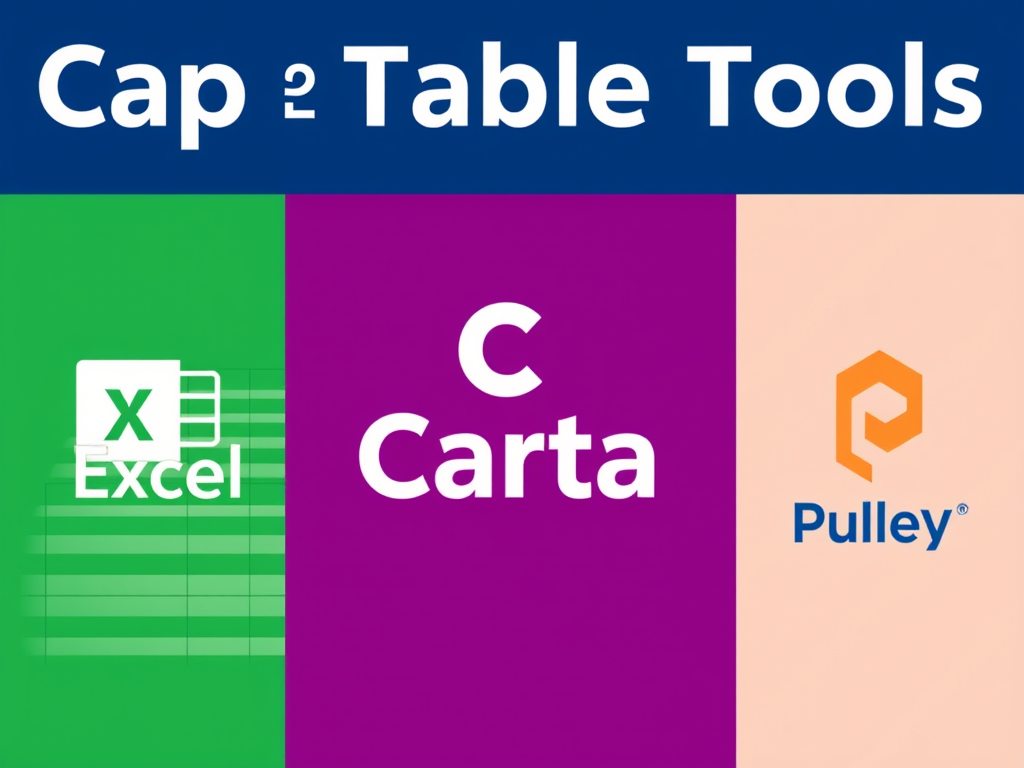
Cap Table Management: Excel vs. Specialized Platforms

Choosing the right cap table tool significantly impacts startup governance and equity management. Initially, Excel suffices for small teams, but risks emerge as businesses grow. Platforms like Carta and Pulley provide critical automation, compliance, and strategic insights, mitigating legal risks and enhancing decision-making, ultimately signaling institutional readiness.

Accounting, Governance, Legal

Cap Table Hygiene: Avoiding the 6 Most Common Mistakes Founders Make

A cap table is crucial for startups, evolving from simple ownership to a complex record of equity decisions. Common mistakes include unrecorded promises, outdated records, unallocated options, and poor tracking of convertible instruments. Maintaining a clean cap table signals institutional readiness and mitigates legal disputes, enhancing investor confidence and operational efficiency.

Accounting, Governance, Legal, Regulatory

Board Control vs. Cap Table Control: Why Ownership Isn’t Everything

In the startup ecosystem, ownership does not equate to control. Founders often mistakenly believe equity grants them decision-making power, but board governance and investor influence can override this. Effective governance requires awareness of power dynamics, strategic board composition, and clear agreements to ensure founders maintain decision-making authority and safeguard their vision.

Accounting, Governance, Legal, Regulatory, Tax

Understanding Founder Dilution: A Comprehensive Guide

The article explores founder dilution during capital raises from seed to Series D, emphasizing how incremental ownership loss occurs through common practices like option pool refreshes and SAFEs. It highlights the significance of understanding dilution mechanics to maintain control while raising capital wisely, advocating for proactive modeling and negotiation strategies.

Accounting, Governance, Legal, Regulatory

Understanding SAFEs and Convertible Notes for Startups

Startups often use SAFEs and convertible notes for fast capital access, but these instruments complicate cap table management and can lead to unexpected dilution upon conversion. Priced equity rounds offer clarity but formalize ownership changes. CFOs must anticipate impacts of financing structures to maintain investor confidence and effective governance.

Accounting, Governance, Legal, Regulatory

Understanding Fully Diluted Ownership in Fundraising

The fundraising process often reveals a contrast between founders’ emotional views of the cap table and investors’ analytical perspectives. Understanding and accurately presenting fully diluted ownership, liquidation preferences, and potential risks is crucial for effective investor communication. A well-organized cap table enhances clarity, builds trust, and reduces perceived risks for investors.

Governance, Leadership & Culture, Professional Services

Navigating Multiple Clients Without Losing Strategic Focus

This blog outlines strategies for fractional CFOs to manage multiple clients effectively. Key approaches include segmenting clients based on their stage and scope, using themed days for focused tasks, building a client operating system for organization, documenting decisions, and knowing when to decline new prospects, ultimately emphasizing the importance of creating efficient systems.

Accounting, Corporate Financial Planning, Governance, Leadership & Culture, Performance Management, Professional Services

How to Be a Great Partner to CEOs, Not Just Their Numbers Person

A fractional CFO’s key asset is trust, enabling them to act as a strategic partner rather than just a service provider. By understanding a founder’s world, communicating effectively, and maintaining calm during chaos, CFOs can frame critical financial decisions and translate metrics for board members, ultimately fostering a meaningful relationship built on empathy and clarity.

Accounting, Corporate Financial Planning, Governance, Leadership & Culture, Performance Management, Professional Services, Uncategorized

Mastering Focus: Specialization for Fractional CFOs

In a generalist-driven industry, specialization empowers fractional CFOs by enhancing credibility and attracting clients. This blog discusses how to identify and communicate your niche effectively across various domains, building trust and speeding up sales. It emphasizes the importance of clarity in positioning, ultimately driving market demand and increasing value.

Accounting, Corporate Financial Planning, Governance, Leadership & Culture, Professional Services

Making the Leap to Fractional CFO: A Comprehensive Guide

The shift from a full-time CFO role to a fractional model represents a strategic evolution in the finance landscape. Emphasizing clarity of purpose, proper legal setup, mindset adjustments, and specialized offerings enables CFOs to enhance their influence and impact. Successfully managing this transition allows for greater autonomy and career flexibility.

GenAI & AgenticAI, Governance, Regulatory

Avoid SEO Pitfalls During CMS Integration

Post-acquisition integration requires attention to website domain migration, CMS consolidation, and SEO continuity. Failing to manage these areas can severely impact customer acquisition. Best practices include preserving URL structures during migrations, merging content systems effectively, preventing content duplication, and ensuring unified analytics for monitoring performance. Strategic digital integration is crucial.

Scroll to Top