
Leadership & Culture

Corporate Financial Planning, Leadership & Culture, Performance Management

Mastering Long-Term Value from Scenario Planning

Scenario planning is essential for finance leaders, providing a structured approach to envisioning multiple futures and making informed decisions amid uncertainties. Unlike traditional forecasting, which relies on linear assumptions, scenario planning empowers organizations to prepare for diverse outcomes, enhancing adaptability and strategic resilience while unlocking long-term value across various scenarios.


Accounting, Corporate Financial Planning, Governance, Leadership & Culture, Performance Management

Elevating the Digital Evolution of Financial Controls

The content discusses the evolution of financial controls from traditional compliance functions to integrated digital systems that enhance organizational confidence and scalability. It emphasizes the need for CFOs to design adaptable controls that align with operational workflows and reflect a company’s risk profile, ultimately transforming controls into strategic assets rather than mere compliance hurdles.

Leadership & Culture, Legal, Professional Services, Uncategorized

Mastering Fundraising: Strategies for Founders

Fundraising is a comprehensive process requiring strategic planning beyond just a pitch. Founders need to establish capital strategies, build dynamic financial models, and prepare data rooms early. As a fractional CFO, the role includes coaching founders, supporting investor communications, and navigating term sheets, while fostering investor trust throughout the journey.

Governance, Leadership & Culture, Professional Services

Navigating Multiple Clients Without Losing Strategic Focus

This blog outlines strategies for fractional CFOs to manage multiple clients effectively. Key approaches include segmenting clients based on their stage and scope, using themed days for focused tasks, building a client operating system for organization, documenting decisions, and knowing when to decline new prospects, ultimately emphasizing the importance of creating efficient systems.

Accounting, Corporate Financial Planning, Governance, Leadership & Culture, Performance Management, Professional Services

How to Be a Great Partner to CEOs, Not Just Their Numbers Person

A fractional CFO’s key asset is trust, enabling them to act as a strategic partner rather than just a service provider. By understanding a founder’s world, communicating effectively, and maintaining calm during chaos, CFOs can frame critical financial decisions and translate metrics for board members, ultimately fostering a meaningful relationship built on empathy and clarity.

Accounting, Corporate Financial Planning, Leadership & Culture, Performance Management, Professional Services

Simplifying CFO Services with a Three-Tiered Model

The blog emphasizes the importance of effectively packaging fractional CFO services to bridge the gap between client needs and offerings. It introduces a three-tier model—Foundational, Strategic, and Growth—helping founders understand and scale with the help of structured services while minimizing friction and enhancing collaboration for long-term success.

Accounting, Corporate Financial Planning, Leadership & Culture, Performance Management, Professional Services

Maximizing Impact in the First 30 Days as a Fractional CFO

The first 30 days of engaging a fractional CFO are critical for establishing trust and delivering value. Key actions include understanding the founder’s vision, cleaning financial data, building cash forecasts, and outlining a finance roadmap. Success hinges on transparency, effective communication, and prioritizing foundational tasks to earn trust and longer-term engagement.

Accounting, Corporate Financial Planning, Leadership & Culture, Professional Services

Smart Pricing Strategies for Fractional CFOs

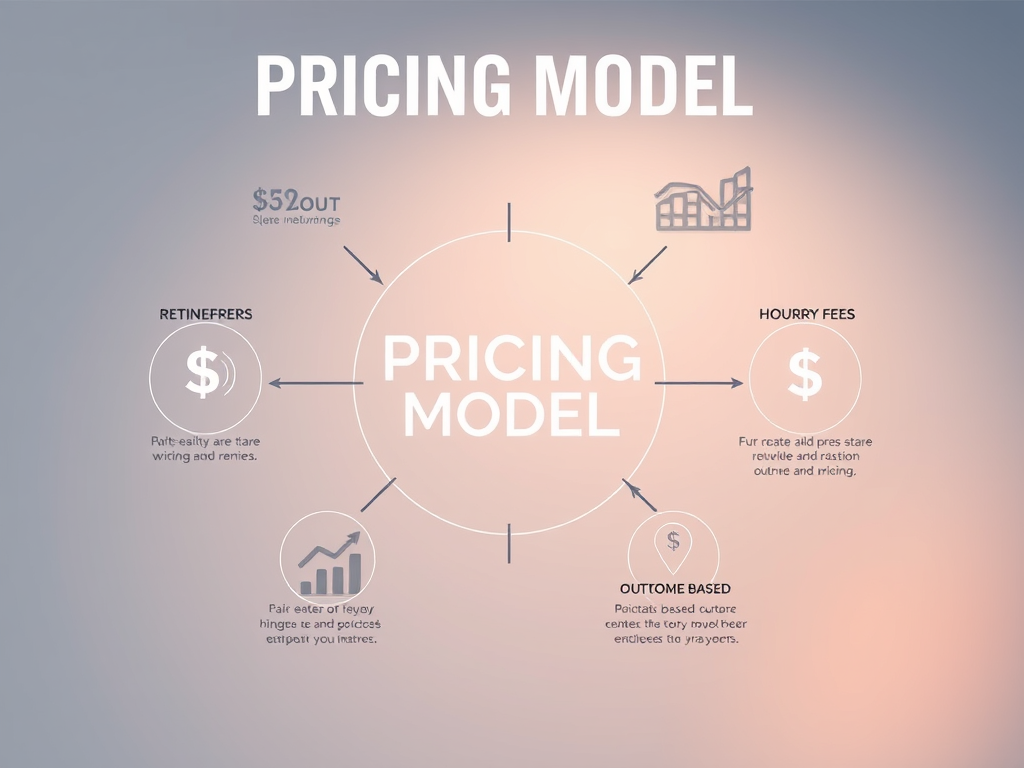
This blog highlights the strategic importance of pricing for fractional CFOs, emphasizing its impact on revenue and client perception. It explores three primary pricing models—retainer, hourly, and outcome-based—along with blended options. Effective pricing balances predictability, flexibility, and client trust, ultimately enhancing the CFO’s value in a competitive market.

Accounting, Corporate Financial Planning, Governance, Leadership & Culture, Performance Management, Professional Services, Uncategorized

Mastering Focus: Specialization for Fractional CFOs

In a generalist-driven industry, specialization empowers fractional CFOs by enhancing credibility and attracting clients. This blog discusses how to identify and communicate your niche effectively across various domains, building trust and speeding up sales. It emphasizes the importance of clarity in positioning, ultimately driving market demand and increasing value.

Accounting, Corporate Financial Planning, Governance, Leadership & Culture, Professional Services

Making the Leap to Fractional CFO: A Comprehensive Guide

The shift from a full-time CFO role to a fractional model represents a strategic evolution in the finance landscape. Emphasizing clarity of purpose, proper legal setup, mindset adjustments, and specialized offerings enables CFOs to enhance their influence and impact. Successfully managing this transition allows for greater autonomy and career flexibility.

Accounting, Corporate Financial Planning, Leadership & Culture, Performance Management, Professional Services

The Rise of Fractional CFOs: A Game-Changer for Startups

The rise of fractional CFOs marks a significant evolution in startup finance, providing strategic leadership on a part-time basis. This model addresses the episodic needs of early-stage companies while aligning with cost-efficiency mandates amidst tightening capital markets. It allows founders to access experienced financial expertise without full-time commitments, fostering capital-efficient growth.

Accounting, Governance, Leadership & Culture, Legal, Tax

The Complexity of Financial Risk Management

The post addresses the often neglected intricacies of financial risk continuity, highlighting its importance in understanding and managing financial risks. It emphasizes that recognizing these complexities is crucial for developing effective risk management strategies and ensuring long-term financial stability in various economic contexts.

Accounting, Leadership & Culture, Legal, Performance Management, Tax

Understanding Escrow Accounts: A Guide for CFOs in M&A

Escrow accounts in M&A transactions serve as essential trust mechanisms for managing post-close adjustments and liabilities. Properly structured escrows prevent capital lock-up and disputes. Key considerations include funding triggers, release mechanisms, and administration control. They provide immediate fund availability and negotiation leverage, ensuring effective risk management and preserving relationships while protecting capital.

Accounting, Governance, Leadership & Culture, Legal, Performance Management

Understanding Earnouts: Key Strategies for M&A Success

Earnouts in M&A contracts align interests but can lead to disputes due to vague terms like “commercially reasonable efforts.” To minimize risks, clauses should have clear objectives, timeframes, and performance standards. Incorporating governance rights, audit access, and effective dispute resolution mechanisms is crucial for maintaining deal value and avoiding litigation.

Accounting, Governance, Leadership & Culture, Legal, Regulatory

Post-Acquisition Integration: Governance, Change Management, and Culture Alignment

Post-acquisition integration is crucial for turning strategic intent into operational success. Governance, change management, and culture alignment are essential for a successful integration process. Effective execution during the first 100 days, with a focus on structured communication and meeting employee needs, can drive accountability and foster a productive environment, ultimately promoting growth.

Governance, Leadership & Culture, Legal, Regulatory, Tax

Pre-Integration Planning: Integration Playbooks for HR, IT, Finance, and Operations

Successful M&A integration begins long before closing. Effective pre-integration planning anticipates potential challenges across HR, IT, finance, and operations. By aligning key processes and fostering cultural assimilation, companies can expedite integration, reduce risks, and enhance value. Proactive measures lead to smoother transitions, turning integration into an opportunity rather than a reactive process.

Accounting, Governance, Leadership & Culture, Legal, Tax

Transfer Pricing 101: Arm’s-Length Principle for IP, Services, and Risk Allocation

The discussion emphasizes the vital role of transfer pricing in multinational companies, evolving from a compliance issue to a strategic priority post-Series C funding. It highlights the complexity of applying the arm’s-length principle, the necessity for functional analysis, and the importance of ongoing documentation to defend pricing decisions against audits.

Accounting, Governance, Leadership & Culture, Regulatory, Uncategorized

Understanding GILTI: Impacts on Global Subsidiaries

The GILTI tax regime, initiated by the 2017 Tax Cuts and Jobs Act, complicates U.S. taxation for foreign subsidiaries by requiring U.S. shareholders to recognize foreign income annually. It challenges CFOs to navigate compliance while reflecting actual global operations. Understanding GILTI is essential for effective tax strategy and financial leadership in multinational companies.

Accounting, Governance, Leadership & Culture

Mastering Segment Reporting: Insights on ASC 280 Compliance

The discussion on segment reporting under ASC 280 emphasizes its role in providing clarity on a company’s operational structure and strategy. It highlights how segment disclosures reflect organizational maturity, guide resource allocation, and enhance transparency. Effective segment reporting demands consistent internal data management and alignment between strategy and financial reporting to foster investor trust and operational accountability.

Accounting, Governance, Leadership & Culture, Performance Management, Regulatory, Tax

Stock-Based Compensation: Straight-Line vs. Graded Vesting and Performance Awards

Stock-based compensation is crucial for startups, serving as a recruitment and retention tool. Governed by ASC 718, it requires recognizing equity awards at fair value, impacting financial statements. The structure of vesting, performance metrics, and forfeiture assumptions heavily influence expenses and investor perception, necessitating clear communication of these dynamics.

Accounting, Governance, Leadership & Culture, Professional Services, Regulatory, Uncategorized

Time vs. Output-Based Revenue Recognition Explained

The essay discusses the importance of choosing the right revenue recognition pattern—time-based or output-based—under ASC 606. It emphasizes the alignment between revenue recognition and actual customer value delivery, with examples illustrating the operational implications and challenges of each method. Effective finance leadership is crucial in navigating hybrid models and ensuring clarity in financial reporting.

Accounting, Corporate Financial Planning, Governance, Leadership & Culture, Performance Management, Professional Services, Uncategorized

Understanding Time vs. Output-Based Revenue Recognition

The post discusses revenue recognition methods, emphasizing time-based versus output-based approaches. Time-based methods suit uniform services, while output-based focuses on deliverables and customer progress. Choosing the right method requires careful analysis of contracts and performance criteria. Accurate revenue recognition reflects true business dynamics and builds credibility with stakeholders.

Accounting, Governance, Leadership & Culture, Professional Services

Audit Readiness: Essential Tips for Founders

Startups often fear audits, viewing auditors as adversaries. However, auditors serve shareholders, ensuring transparency and integrity in financial reporting. Effective audits focus on process and reasonable judgments rather than perfection. Founders play a crucial role in setting a collaborative tone, emphasizing the importance of documentation and clarity in the audit process.

Accounting, Leadership & Culture, Professional Services

The Importance of Small Details in Startup Funding

In the venture startup landscape, founders often underestimate the significance of small issues during audits and financing, as auditors evaluate patterns of behavior beyond mere numbers. Small oversights can lead to delays and eroded investor confidence, impacting valuations. Prioritizing documentation and preparation signals control and readiness, ultimately preserving company value.

Governance, Leadership & Culture, Legal, Professional Services

We’re Not Blocking You: How to Work with Lawyers When You’re in a Rush

Startups face immense pressure, leading to legal reviews often seen as obstacles. However, reframing legal counsel as risk triage can enhance efficiency. By categorizing issues as green, yellow, or red, founders can streamline legal processes. Clear communication and utilizing templates also improve speed, turning legal teams into strategic partners rather than roadblocks.

Scroll to Top