


Understanding Tax Implications of Stock Options for CFOs
Part 1: Equity Isn’t Free — It’s Tax-Laden and Strategically Charged Stock options are routinely touted as a win-win. Employees […]
Part 1: Equity Isn’t Free — It’s Tax-Laden and Strategically Charged Stock options are routinely touted as a win-win. Employees […]

A fractional CFO’s key asset is trust, enabling them to act as a strategic partner rather than just a service provider. By understanding a founder’s world, communicating effectively, and maintaining calm during chaos, CFOs can frame critical financial decisions and translate metrics for board members, ultimately fostering a meaningful relationship built on empathy and clarity.

The blog discusses essential tools for fractional CFOs, emphasizing the need for a strategic tech stack that enhances operational efficiency. Key categories include finance and accounting tools, forecasting, reporting, cap table management, documentation, time tracking, and CRM. The right tools automate tasks and elevate the CFO’s role, transforming freelance practices into effective firm management.

This blog advocates for fractional CFOs to adopt credibility marketing instead of traditional approaches, emphasizing trust and expertise. Key strategies include crafting impactful positioning, developing signature content types, leveraging referrals, utilizing warm outreach, and building a comprehensive asset library. The ultimate aim is to market by offering clarity and support to clients.

The blog emphasizes the importance of effectively packaging fractional CFO services to bridge the gap between client needs and offerings. It introduces a three-tier model—Foundational, Strategic, and Growth—helping founders understand and scale with the help of structured services while minimizing friction and enhancing collaboration for long-term success.

The first 30 days of engaging a fractional CFO are critical for establishing trust and delivering value. Key actions include understanding the founder’s vision, cleaning financial data, building cash forecasts, and outlining a finance roadmap. Success hinges on transparency, effective communication, and prioritizing foundational tasks to earn trust and longer-term engagement.

In a generalist-driven industry, specialization empowers fractional CFOs by enhancing credibility and attracting clients. This blog discusses how to identify and communicate your niche effectively across various domains, building trust and speeding up sales. It emphasizes the importance of clarity in positioning, ultimately driving market demand and increasing value.

The rise of fractional CFOs marks a significant evolution in startup finance, providing strategic leadership on a part-time basis. This model addresses the episodic needs of early-stage companies while aligning with cost-efficiency mandates amidst tightening capital markets. It allows founders to access experienced financial expertise without full-time commitments, fostering capital-efficient growth.

Change-in-control provisions, often overlooked in agreements, play a crucial role in M&A transactions affecting risk, cost, and retention. These clauses, including accelerated vesting and retention plans, must be understood to prevent unexpected issues that can diminish deal value. Proper modeling and alignment are essential for successful integration and morale.

Financing in deal structuring involves various instruments like earnouts, seller notes, rollover equity, and bridge loans, which shape risk and align incentives. CFOs must understand these to build successful transactions. Utilizing a blend of these tools strategically mitigates risk and optimizes capital deployment, ensuring value in acquisitions.

This article explores the strategic use of pricing tools like control premiums, minority discounts, and illiquidity adjustments in mergers and acquisitions. These adjustments impact valuations and negotiations significantly, with control premiums reflecting the value of operational control and minority discounts accounting for limited influence. Understanding these concepts is vital for effective financial communication and decision-making.

Escrow accounts in M&A transactions serve as essential trust mechanisms for managing post-close adjustments and liabilities. Properly structured escrows prevent capital lock-up and disputes. Key considerations include funding triggers, release mechanisms, and administration control. They provide immediate fund availability and negotiation leverage, ensuring effective risk management and preserving relationships while protecting capital.

Earnouts in M&A contracts align interests but can lead to disputes due to vague terms like “commercially reasonable efforts.” To minimize risks, clauses should have clear objectives, timeframes, and performance standards. Incorporating governance rights, audit access, and effective dispute resolution mechanisms is crucial for maintaining deal value and avoiding litigation.

Stock-based compensation is crucial for startups, serving as a recruitment and retention tool. Governed by ASC 718, it requires recognizing equity awards at fair value, impacting financial statements. The structure of vesting, performance metrics, and forfeiture assumptions heavily influence expenses and investor perception, necessitating clear communication of these dynamics.

The choice between currency translation and remeasurement under ASC 830 is crucial as it impacts financial reporting significantly. Translation applies when a subsidiary operates in a local currency, while remeasurement affects earnings when books are kept in a different currency. Understanding functional currency is essential for accurate reporting and maintaining credibility.
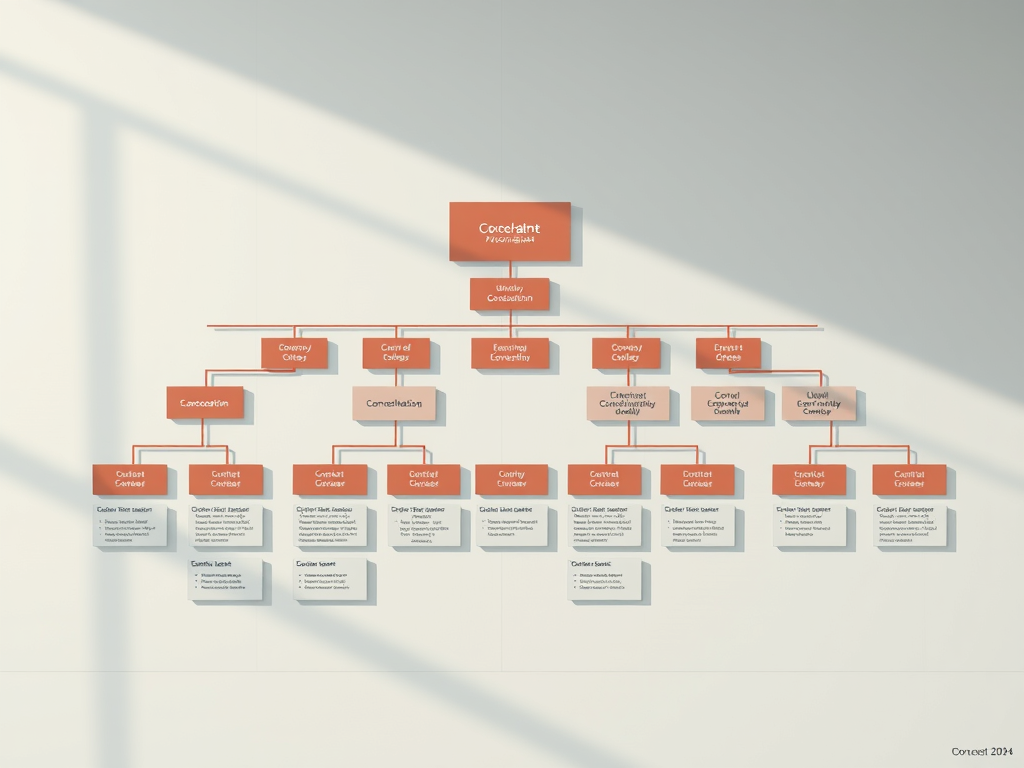
High-growth companies face complexities in financial reporting due to GAAP’s consolidation requirements, which focus on control rather than ownership. The Voting Interest and Variable Interest Entity models assess entity consolidation based on benefits and obligations. Understanding these frameworks is crucial for accurate balance sheets, profitability, and regulatory compliance as entities evolve globally.

Promises Made, Liabilities Incurred In the world of product and platform companies, a warranty is rarely just a marketing device.

The post discusses the evolution of revenue recognition under ASC 606 and the critical importance of accurately handling unbilled receivables and capitalized contract costs in financial statements. It highlights the risks of mismanagement, regulatory scrutiny, and the need for finance leaders to refine processes for clarity and accuracy in reporting economic performance.

The article emphasizes the importance of accurately accounting for landed costs, which include freight, customs, and warehousing, to reflect true gross margins in product firms. Misclassifications can distort financial reporting and mislead stakeholders. Proper integration of these costs into accounting systems is crucial for strategic pricing, vendor negotiations, and overall financial clarity.

The Invisible Levers Behind COGS and Cash Flow Inventory is not just an asset on the balance sheet. It is

The article emphasizes the significant impact of the accounting choice between capitalizing and expensing costs, particularly regarding gross margin reporting. It argues that aligning costs with revenues reflects long-term value, especially for SaaS companies. It advocates for transparency and cross-functional collaboration in financial decisions to prevent misrepresentation and maintain investor confidence.

ASC 606 reshapes revenue recognition standards by emphasizing understanding customer value over mere compliance. It requires companies to adapt practices across various sectors, ensuring accurate revenue mapping through a structured five-step model. Successful implementation hinges on finance leadership engaging deeply with the standard, fostering cross-functional collaboration and operational alignment for sustained credibility.

Part I: Understanding the Fundamentals and Strategic Implications Can a sudden discount on a deal shift your revenue by tens

The essay outlines the importance of distinguishing between software license types—right to use, right to access, and hybrid—under ASC 606, affecting revenue recognition and company valuation. It emphasizes proper contract classification, compliance, and its implications on financial reporting and investor relations. A clear strategy enhances operational integrity and audit readiness.

The content explores bundled revenue recognition under ASC 606, emphasizing its complexity for startups. It guides finance professionals in identifying performance obligations, determining standalone selling prices, and allocating transaction prices effectively. Through real-world case studies, it illustrates practical applications and strategic insights for CFOs and finance teams navigating bundled arrangements, ensuring compliance and operational transparency.
© 2026 Jed Expert™. All rights reserved.
© 2026 Jed Expert™. All rights reserved.
